Honest Imperfection: How Low-Fi Japanese Adult Production Values Forge a Deeper Connection Than High-Gloss Western Alternatives
The Illusion That Costs More to Destroy
In mainstream American adult entertainment, considerable resources are devoted to a single goal: the elimination of imperfection. Lighting rigs erase shadows. Color grading smooths skin tones into a uniform warmth. Editing rhythms are calibrated to maintain a pace that never allows the viewer's attention to wander toward anything unscripted. The production apparatus works tirelessly, and visibly, to construct an experience that feels curated — because it is.
The irony is that this curation is precisely what distances the viewer from the material. When every frame announces its own artifice, the mind registers performance rather than presence. What the viewer receives is spectacle. What they lose is the sense that anything genuinely at stake is unfolding before them.
Japanese adult content, particularly within the hitozuma genre, operates from an almost opposite set of assumptions. The production values that Western critics might characterize as deficiencies — inconsistent lighting, visible grain, handheld camera movement, ambient sound that includes the hum of an air conditioning unit or the distant sound of street traffic — are not accidents of budget. Increasingly, they are deliberate aesthetic commitments. And they produce something that polished Western productions cannot purchase: the impression of documentary truth.
What the Brain Believes
The psychology here is worth examining carefully. Human perception is calibrated, through long experience, to associate visual imperfection with authenticity. Home videos look like home videos. Documentary footage looks like documentary footage. The brain has internalized a rough taxonomy: high production value signals mediation, while low production value signals proximity to an unmanaged reality.
This heuristic is not sophisticated, but it is powerful. When a viewer encounters footage that resembles the visual grammar of something unposed — soft focus at the edges, natural skin texture, the slight instability of a camera held rather than mounted — the perceptual system extends a provisional trust. The content registers as less constructed, and therefore more emotionally available.
American adult entertainment, having invested so heavily in the aesthetics of fantasy, has inadvertently trained its audience to maintain a certain cognitive distance. The viewer knows they are watching a production. Japanese adult content, by contrast, frequently suspends that awareness — not through deception, but through a different set of visual cues that invite the viewer closer rather than positioning them as a spectator of something staged.
The Specific Grammar of Naturalism
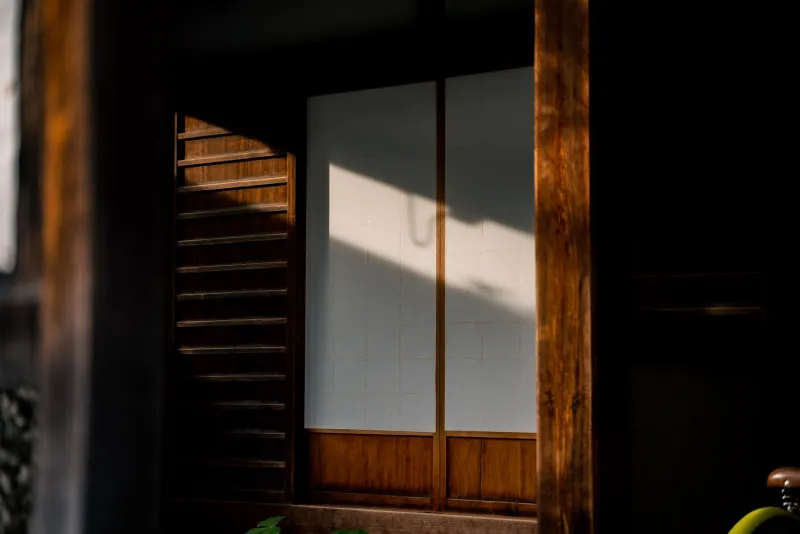
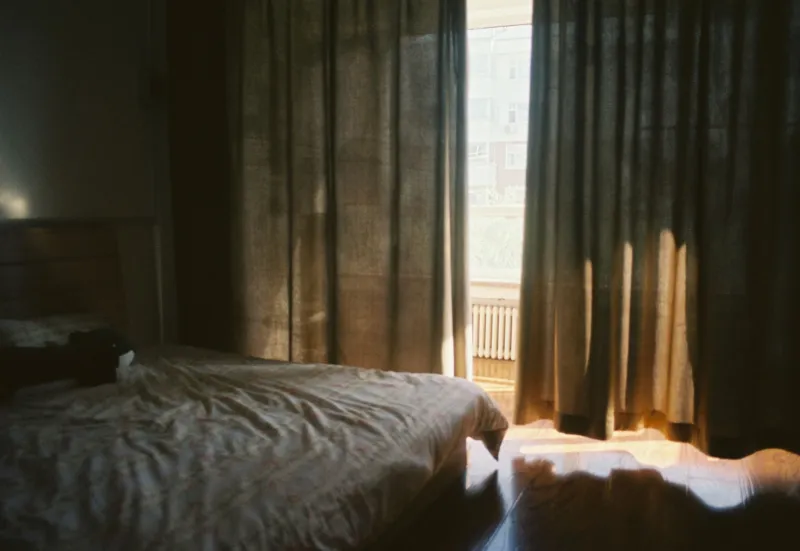
Several concrete production choices contribute to this effect. Natural or ambient lighting — window light, the warm incandescence of a domestic lamp — places the action within a recognizable environment rather than a lit set. The viewer's visual memory associates these light qualities with real spaces, real afternoons, real rooms inhabited by real people.
Minimal editing serves a related function. Where Western productions cut frequently to maintain energy and conceal the passage of time, Japanese adult content often sustains longer takes that include the pauses, the repositioning, the quiet moments between actions that real experience contains. These intervals, which a Western editor might eliminate as dead air, are in fact the connective tissue that makes the surrounding material feel earned rather than assembled.
Sound design — or more accurately, the absence of aggressive sound design — reinforces the effect. The ambient acoustic environment of a real room, with its minor irregularities and background presence, situates the viewer in a space that feels inhabited. The contrast with the studio-clean audio of Western productions is immediately perceptible, and it registers, subconsciously, as a marker of authenticity.
The Domestic Setting as Anchor
The hitozuma genre compounds these production choices through its setting. The action does not take place on a set designed to suggest a bedroom; it takes place in what appears to be an actual bedroom, with the accumulated evidence of habitation — books on a shelf, a particular style of curtain, a familiar disorder of everyday objects — that a production designer would carefully remove. This specificity of environment functions as a kind of documentary credential. The viewer is not invited into a fantasy space; they are admitted, provisionally, into something that resembles a real life.
For American male viewers in particular, this domestic specificity resonates in ways that connect to broader cultural anxieties about what desire looks like within the architecture of ordinary adult life. The polished fantasy of mainstream Western production offers escape from that architecture. Japanese adult content, by contrast, locates desire within it — and the naturalistic production values are essential to making that location feel credible.
Imperfection as Intimacy
There is a final dimension to this phenomenon that deserves acknowledgment. Imperfection, in the context of human relationships, is not merely tolerated — it is frequently the vehicle through which genuine intimacy is communicated. We are closest to people when we see them unguarded, unpolished, unperforming. The visual grammar of low-fi production mimics this dynamic at the level of the image itself.
When the camera does not flatter, when the lighting does not idealize, when the editing does not smooth away the rough edges of real time, the viewer receives something that high-production content structurally cannot offer: the experience of being shown something rather than sold something. That distinction, modest as it may appear, is the foundation of the deeper emotional investment that Japanese adult content consistently generates among its American audience — and the reason that investment continues to grow.